
Annette LeMay Burke
Project Statement
Prime Location
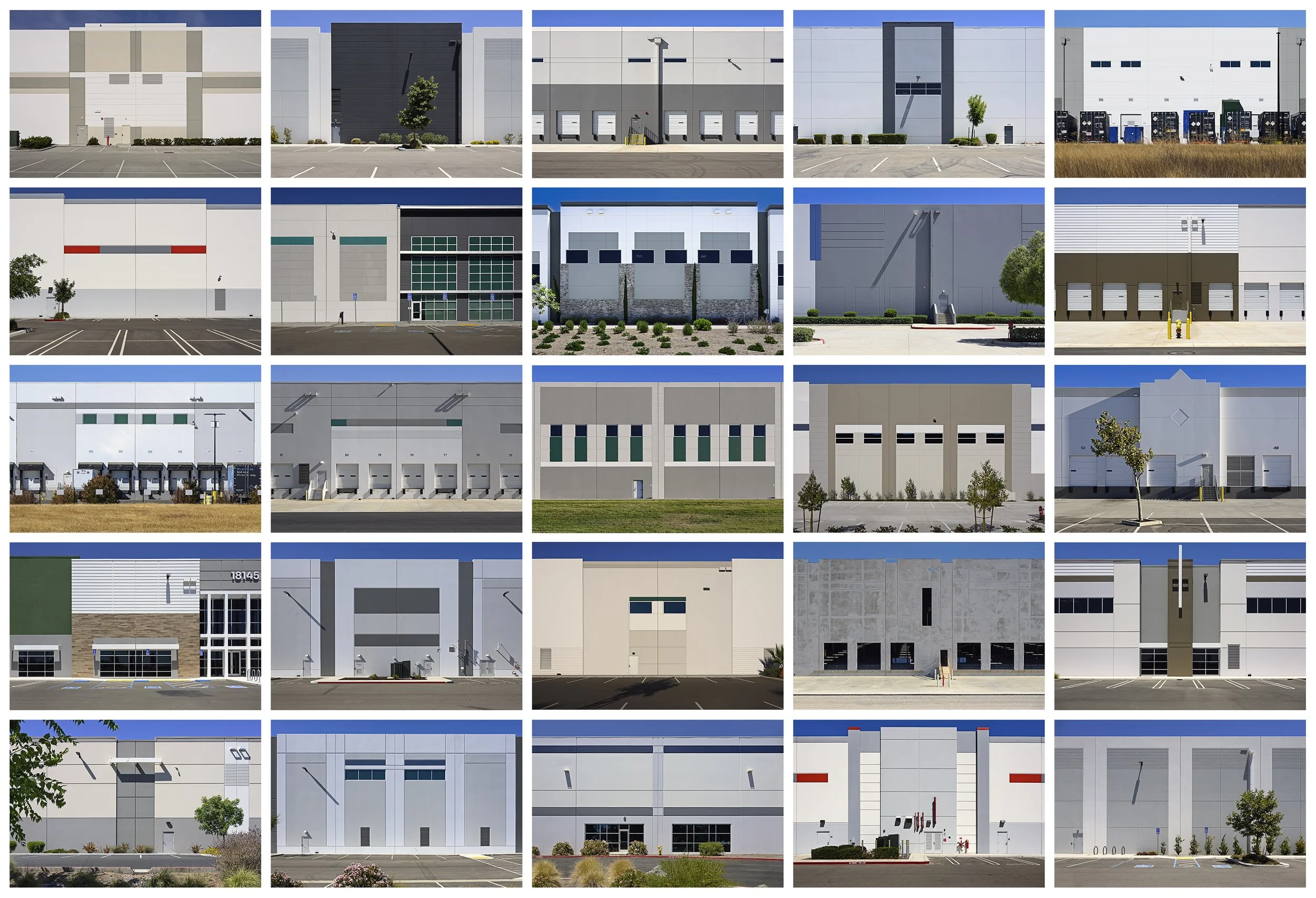
Vast e-commerce fulfillment and distribution warehouses are replacing farmland and open space along the edges of California’s communities, where highways, rail corridors, and last-mile delivery routes converge. What was once prime agricultural land is now prime location of a different kind: the infrastructure of instant consumption. The warehouses’ repetitive, copy-and- paste architecture—banal yet monumental—has become a new vernacular, a built expression of the shift from brick-and-mortar retail to e-commerce. As a lifelong Californian, I’ve watched development steadily consume the landscape, but rarely at the speed and scale of these warehouses. Prime Location examines this transformation.
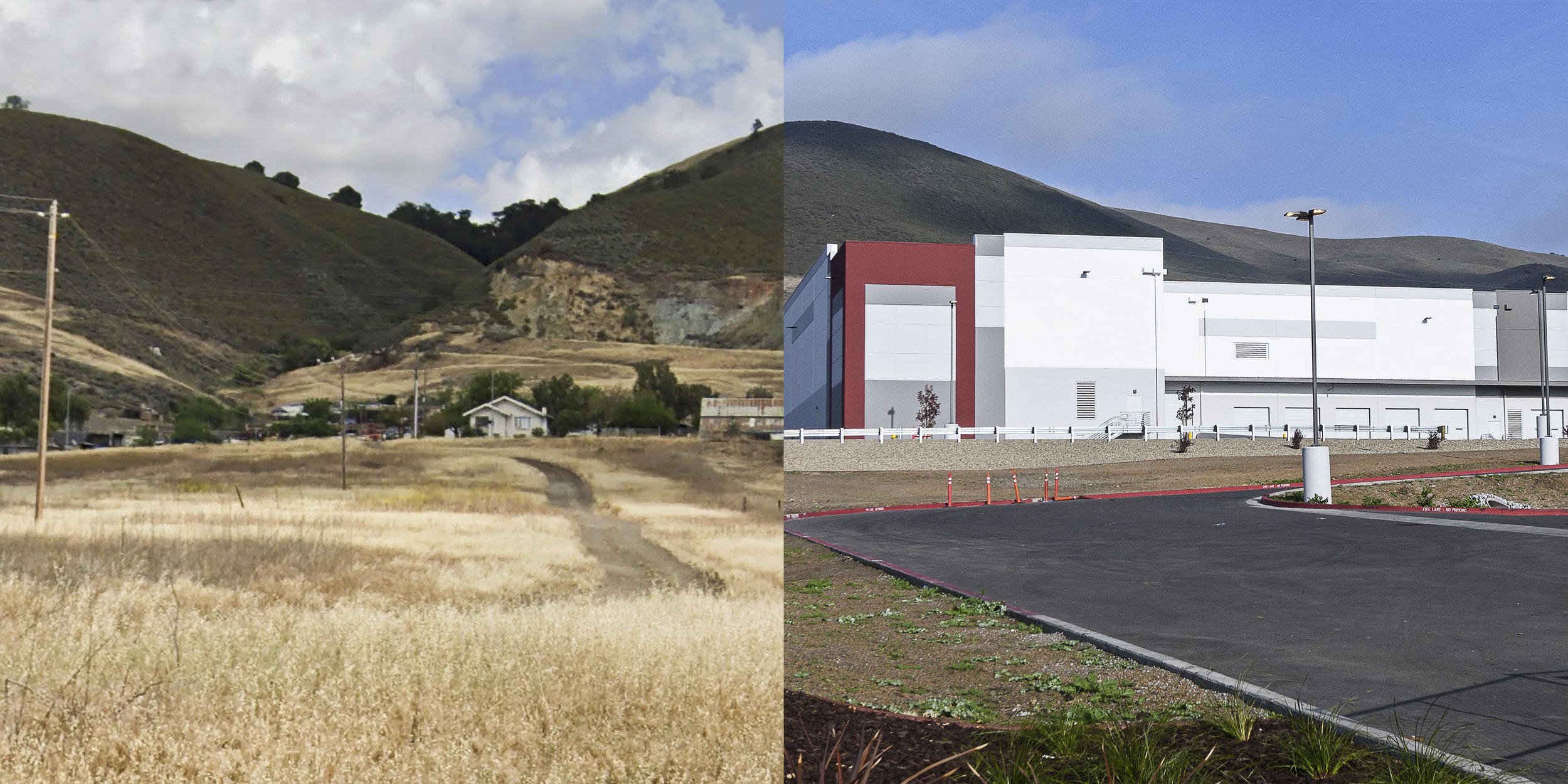
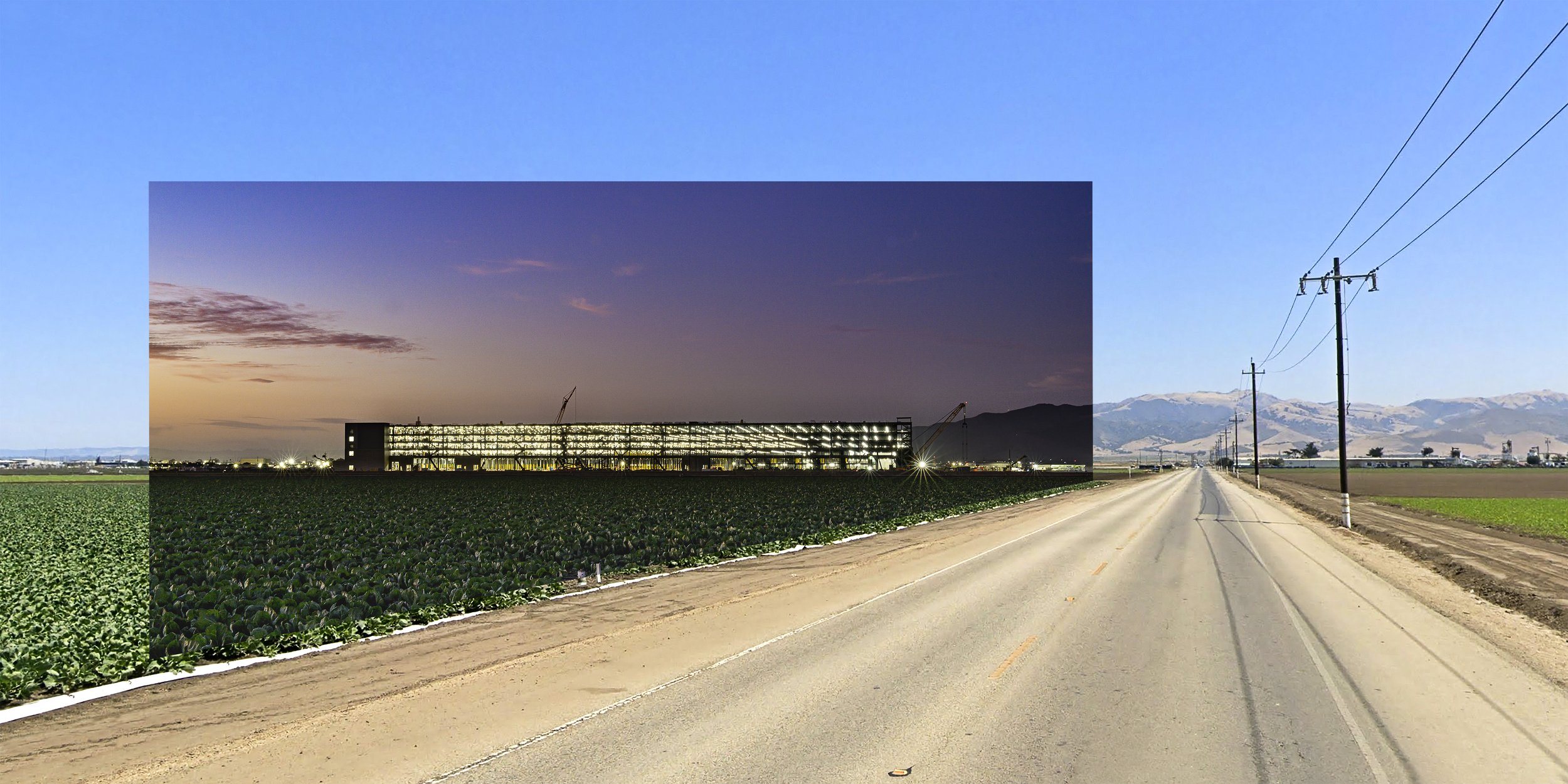
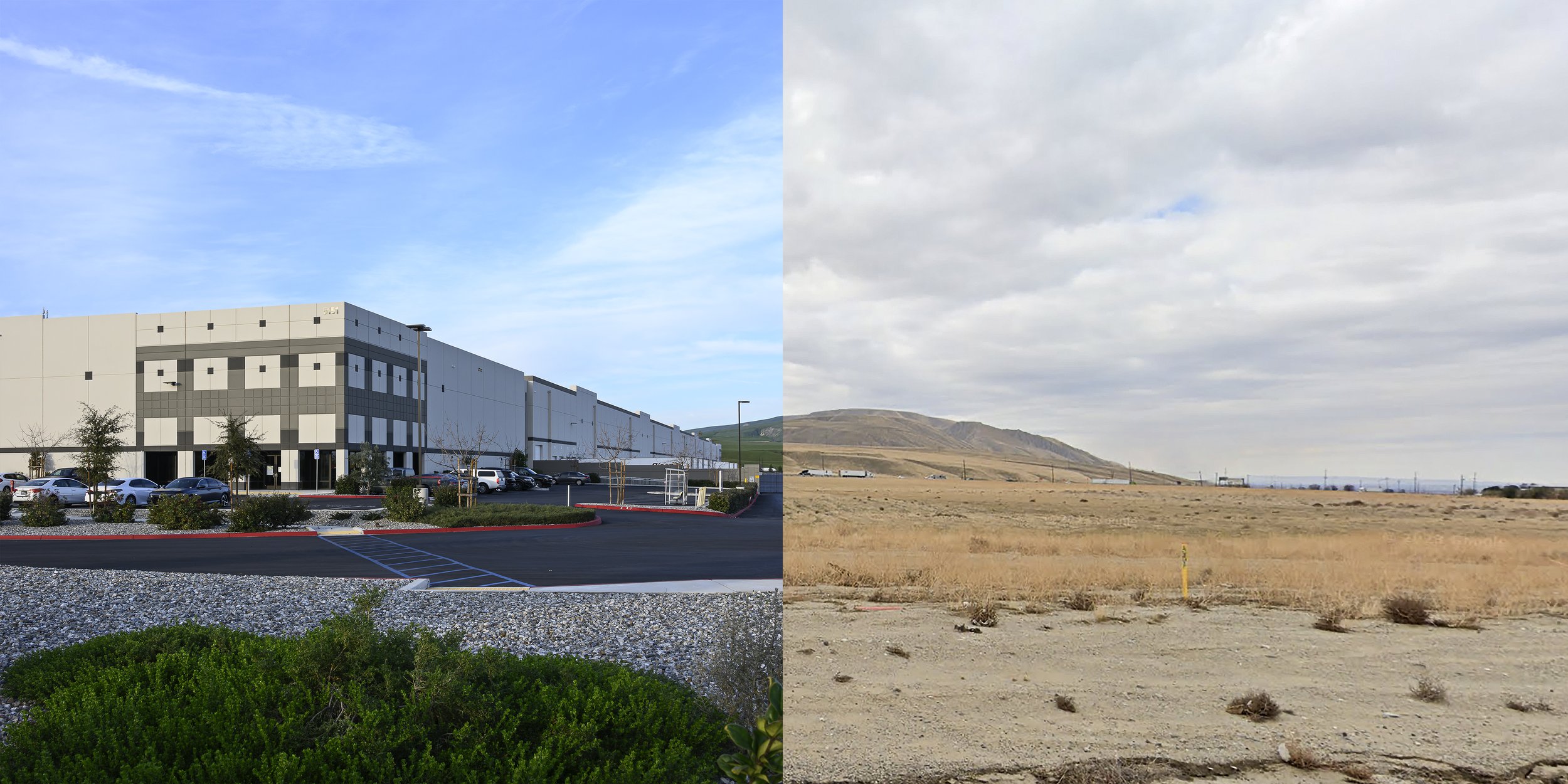
The project brings together two interconnected bodies of work. The first is a typological series of warehouse façades, emphasizing anonymity and standardized design. The second consists of temporal layerings that combine my photographs of newly constructed warehouses with earlier Google Street View images, some captured only months before, when the same sites were still pastures, orchards, or open fields. Compressing multiple moments within a single frame, these composites chart the rapid conversion of agricultural and open landscapes into industrial complexes, drawing on photography’s traditions of rephotography and typological study.
The images consider the paradox of convenience: altered terrain, displaced memory, and architecture optimized for algorithmic efficiency rather than human presence. As the logistics of next-day delivery expand, hyperconsumerism reorganizes landscapes around the automated movement of goods rather than the people who inhabit them.
Artist Bio
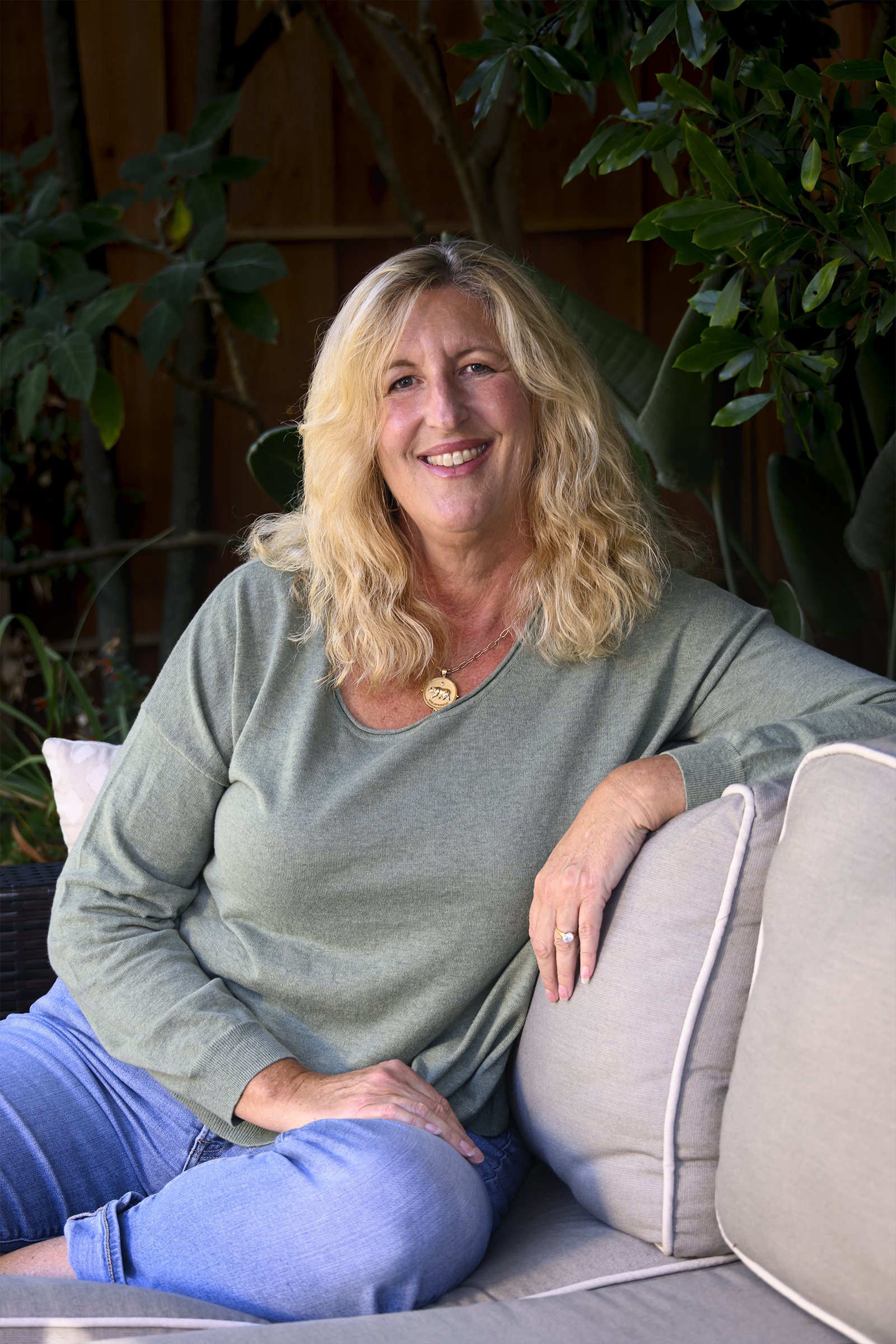
Annette LeMay Burke is a photographic artist and Northern California native based in Silicon Valley. Trained as a geologist at University of California, Berkeley and a veteran of the tech industry, she brings both scientific insight and an insider’s perspective to her work, examining how technological, geological, architectural, and domestic infrastructures reshape the American West. Using strategies such as temporal layering, typologies, and the serendipitous nature of the photo road trip, she explores places where natural landforms intersect with built environments. Her photographs reveal tensions between the land’s deep histories and the accelerating demands of contemporary life, treating the landscape as a living palimpsest of environmental change, human intervention, and accumulated memory.
Her monograph, Fauxliage: Disguised Cell Phone Towers of the American West, was published by Daylight Books in 2021 with a foreword by Ann M. Jastrab.
Burke’s work has been featured in more than 100 exhibitions worldwide, including the Royal Geographical Society in London, the Griffin Museum of Photography, the Center for Photographic Art in Carmel, Photo London, and Head On Photo Festival in Sydney. Her distinctions include Photolucida’s Critical Mass Top 50 (2022 and 2026), LensCulture Critics’ Choice, and semifinalist honors for the Smithsonian National Portrait Gallery’s Outwin 2022. Her photographs have been published in The New York Times, Los Angeles Times, The Boston Globe, The Times (UK), Hyperallergic, Australian Geographic, Society Magazine, Il Fotografo, Sierra Club Magazine, and Elle Decor Italia, among others.
Her prints are held in the Wieland Collection (Atlanta), the Colorado Photographic Arts Center, and Imago Lisboa (Portugal). Her monograph is held in the libraries of LACMA, Princeton University, Stanford University, and more than a dozen other institutions.
Website: www.atelierlemay.com
Instagram: @atelierlemay